


How Does CNC Horizontal Machining Transform Modern Manufacturing?
Summary: CNC horizontal machining has become a game-changer in modern manufacturing, offering precision, efficiency, and flexibility. In this article, we explore the technology, benefits, common challenges, and tips for optimizing CNC horizontal machining for various industries, helping businesses maximize productivity and quality.
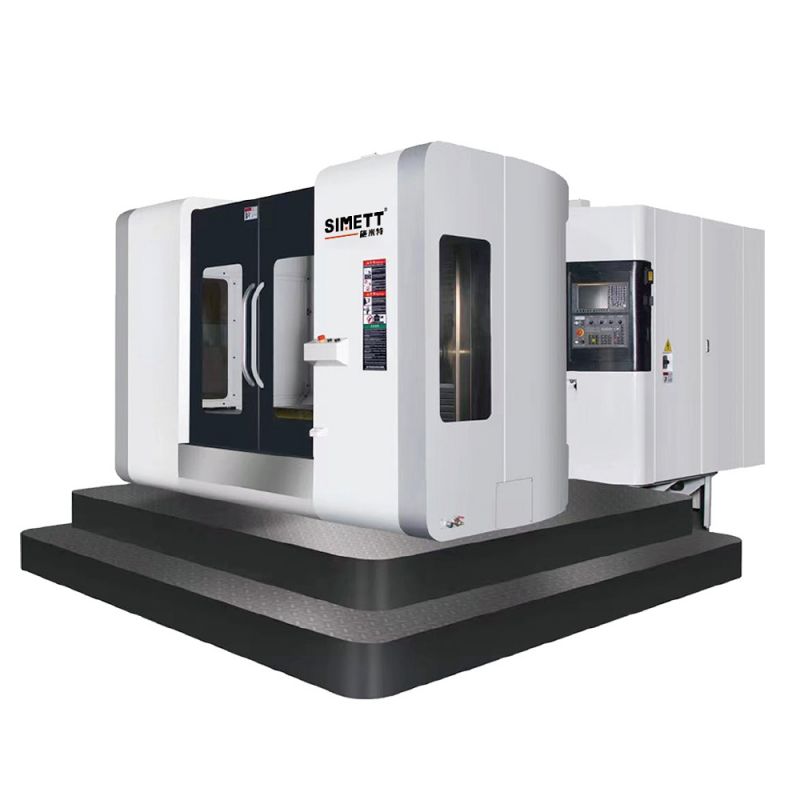
Table of Contents
- Introduction to CNC Horizontal Machining
- Key Benefits of CNC Horizontal Machining
- Common Challenges and Solutions
- Operational Tips for Maximum Efficiency
- Industry Applications
- Frequently Asked Questions
- Conclusion
Introduction to CNC Horizontal Machining
CNC horizontal machining centers (HMCs) have revolutionized the manufacturing industry by providing highly precise and efficient machining solutions for complex parts. Unlike vertical machining centers, horizontal machines allow for multiple-sided machining without frequent repositioning, reducing setup time and improving overall productivity.
SIMETT® offers advanced CNC horizontal machining centers designed to meet diverse production needs. Their robust construction, intelligent software, and high-speed spindles ensure consistent accuracy even for the most demanding operations.
Key Benefits of CNC Horizontal Machining
- Enhanced Efficiency: Horizontal orientation allows simultaneous multi-sided machining, minimizing the need for re-fixturing.
- Improved Precision: High rigidity of the machine base and optimized spindle alignment ensure tight tolerances and repeatability.
- Versatility: Suitable for a wide range of materials, including metals, composites, and high-strength alloys.
- Reduced Labor Costs: Automation-friendly setup allows operators to manage multiple machines or tasks simultaneously.
- Better Chip Evacuation: Horizontal spindle orientation helps in natural chip removal, reducing tool wear and maintaining surface finish quality.
| Feature | Benefit |
|---|---|
| Rotary Table | Enables 4th-axis machining for complex geometries |
| High-Speed Spindle | Delivers faster cycle times without compromising accuracy |
| Automatic Tool Changer | Reduces manual intervention and increases uptime |
| Rigid Construction | Minimizes vibration and ensures consistent quality |
Common Challenges and Solutions
While CNC horizontal machining offers many advantages, operators may face several challenges. Here are common issues and how SIMETT® solutions address them:
- Complex Setup: Modern HMCs from SIMETT® come with intuitive software and automated setup tools to simplify complex part configurations.
- Tool Wear: Efficient chip evacuation and high-quality tooling options reduce wear and extend tool life.
- Maintenance Downtime: Preventive maintenance schedules and smart monitoring features help minimize unplanned downtime.
- Training Requirements: SIMETT® provides comprehensive training programs for operators to ensure safe and effective usage.
Operational Tips for Maximum Efficiency
Optimizing CNC horizontal machining involves more than just installing the machine. Here are practical tips:
- Perform regular spindle calibration to maintain accuracy.
- Use high-quality tooling compatible with the machine’s speed and material.
- Implement fixture standardization to reduce setup time.
- Leverage automation and software features for batch production.
- Monitor tool wear and replace proactively to avoid scrap parts.
Industry Applications
CNC horizontal machining centers are widely adopted across industries due to their precision and versatility. Examples include:
- Aerospace: Machining engine components, structural frames, and turbine parts.
- Automotive: Manufacturing transmission components, molds, and chassis parts.
- Medical Devices: Producing surgical instruments, implants, and prosthetics with tight tolerances.
- Energy: Fabricating parts for wind turbines, oil, and gas equipment.
SIMETT® CNC horizontal machines have been deployed in all these sectors, delivering reliable performance and exceptional precision.
Frequently Asked Questions
Q1: What materials can CNC horizontal machining handle?
A1: Most metals, composites, and engineering plastics. SIMETT® machines support a wide material range with optimized cutting parameters.
Q2: How does horizontal machining reduce setup time?
A2: The orientation allows multiple-sided machining without repositioning, which reduces the number of setups required for complex parts.
Q3: What is the difference between horizontal and vertical CNC machines?
A3: Horizontal machines excel in multi-sided machining and chip evacuation, while vertical machines are more common for simple or smaller parts.
Q4: How do I choose the right CNC horizontal machine?
A4: Evaluate production volume, part complexity, and material type. SIMETT® experts can guide you to select the optimal model for your needs.
Conclusion
CNC horizontal machining centers are essential for manufacturers seeking efficiency, precision, and versatility. SIMETT® offers state-of-the-art machines that streamline production, reduce costs, and enhance product quality. By understanding key benefits, operational tips, and industry applications, businesses can maximize their CNC horizontal machining investments.
Discover how SIMETT® can elevate your manufacturing capabilities. Contact us today to learn more about our CNC horizontal machining solutions.
Send Inquiry


X
We use cookies to offer you a better browsing experience, analyze site traffic and personalize content. By using this site, you agree to our use of cookies.
Privacy Policy